
Osteoporosis
Osteoporosis Specialist in Bangalore | Advanced Care for Weak and Brittle Bones
Osteoporosis is a common bone disease that causes bones to become weak, thin, and fragile, increasing the risk of fractures. Often called a “silent disease,” osteoporosis usually develops gradually without noticeable symptoms until a bone breaks.
Early diagnosis and proper treatment can help slow bone loss, strengthen bones, and significantly reduce the risk of fractures and disability.
Dr. Anusha Handral is a highly experienced Osteoporosis Specialist in Whitefield Bangalore and Endocrinologist in Bangalore, offering comprehensive evaluation and treatment for osteoporosis and other metabolic bone disorders. With over 15 years of experience in endocrinology, she provides personalized treatment plans focused on improving bone strength and long-term skeletal health.
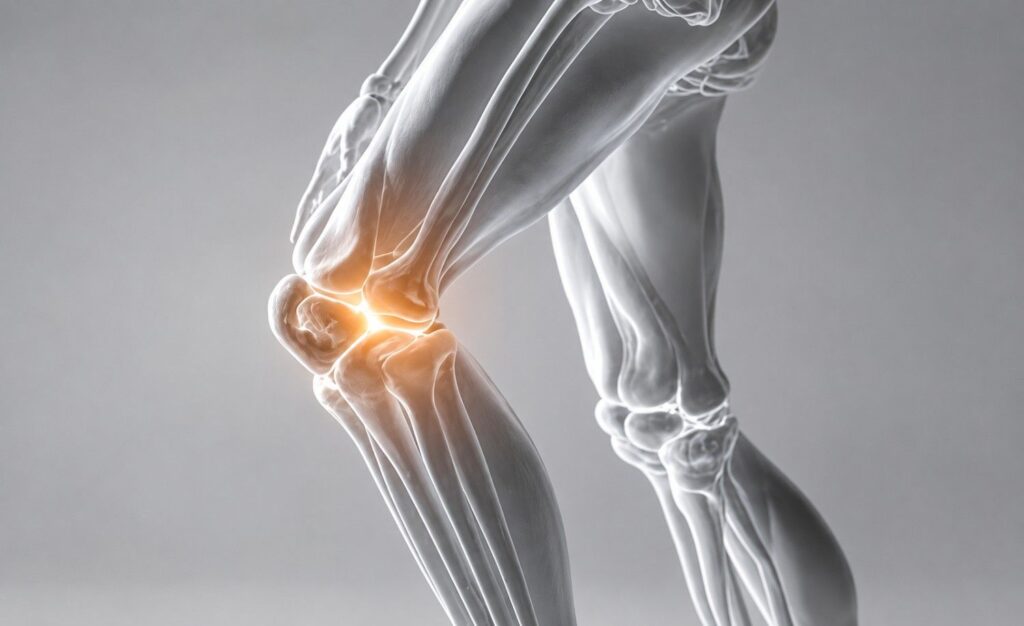
What is Osteoporosis?
Osteoporosis is a condition in which the body loses bone mass faster than it can create new bone. As a result, bones become porous, weak, and more susceptible to fractures.
Bone is a living tissue that continuously undergoes remodeling. In healthy individuals, old bone is replaced with new bone. Osteoporosis develops when this balance is disrupted and bone loss exceeds bone formation.
Fractures related to osteoporosis commonly occur in:
- Hip
- Spine
- Wrist
- Shoulder
- Pelvis
Without proper treatment, osteoporosis can lead to chronic pain, loss of mobility, and reduced quality of life.
Symptoms of Osteoporosis
Osteoporosis often has no symptoms in its early stages. As bone loss progresses, symptoms may include:
- Back pain
- Loss of height over time
- Stooped posture
- Bone fractures after minor injuries
- Weakness and reduced mobility
- Recurrent fractures
Many people discover they have osteoporosis only after experiencing a fracture.
Who is at Risk of Osteoporosis?
Several factors can increase the risk of developing osteoporosis.
- Age
Bone density naturally decreases with age.
- Gender
Women, particularly after menopause, have a higher risk due to declining estrogen levels.
- Family History
A family history of osteoporosis or fractures increases risk.
- Hormonal Changes
Low estrogen or testosterone levels can accelerate bone loss.
- Nutritional Deficiencies
Inadequate calcium and vitamin D intake can weaken bones.
- Sedentary Lifestyle
Lack of physical activity contributes to reduced bone strength.
- Smoking and Alcohol
Smoking and excessive alcohol consumption increase the risk of osteoporosis.
- Nutritional DCertain Medical Conditionseficiencies
- Thyroid disorders
- Parathyroid disorders
- Diabetes
- Rheumatoid arthritis
- Chronic kidney disease
- Celiac disease
- Long-Term Medication Use
Certain medications, especially long-term steroid use, can lead to bone loss.
Causes of Osteoporosis
Several factors contribute to osteoporosis, including:
- Aging
- Menopause
- Hormonal disorders
- Calcium deficiency
- Vitamin D deficiency
- Endocrine diseases
- Genetic factors
- Chronic illnesses
- Certain medications
As an experienced Bone Health Specialist in Bangalore, Dr. Anusha evaluates all possible causes to provide a personalized treatment approach.
How is Osteoporosis Diagnosed?
Early diagnosis is crucial to prevent fractures and complications.
Dr. Anusha may recommend:
Bone Mineral Density (BMD) Test
A DEXA scan is the gold standard test for diagnosing osteoporosis.
Blood Tests
To evaluate:
- Calcium levels
- Vitamin D levels
- Thyroid function
- Parathyroid hormone levels
- Bone metabolism markers
Fracture Risk Assessment
Assessment of future fracture risk based on age, family history, and bone density.
Osteoporosis Treatment in Whitefield Bangalore
The goal of treatment is to prevent fractures, improve bone strength, and maintain quality of life.
Medications
Several medications can help slow bone loss and strengthen bones.
Calcium and Vitamin D Supplementation
Adequate intake is essential for healthy bones.
Hormonal Management
Treating underlying endocrine disorders can improve bone health.
Lifestyle Modifications
- Healthy diet
- Regular exercise
- Weight management
- Avoiding smoking
- Limiting alcohol consumption
Exercises for Strong Bones
Weight-bearing and muscle-strengthening exercises can improve bone density.
Examples include:
- Walking
- Stair climbing
- Resistance training
- Light jogging
- Balance exercises
- Strength training
Regular physical activity helps maintain healthy bones and reduces fracture risk.
Can Osteoporosis Be Prevented?
In many cases, osteoporosis can be prevented or delayed through healthy lifestyle habits:
- Adequate calcium intake
- Sufficient vitamin D levels
- Regular exercise
- Maintaining a healthy weight
- Avoiding smoking
- Limiting alcohol
- Regular bone health screenings
Early intervention is key to preserving bone health.
When Should You Consult an Osteoporosis Specialist?
Consult a doctor if you:
- Have suffered a fracture after a minor fall.
- Have persistent back pain.
- Have lost height over time.
- Are postmenopausal.
- Have a family history of osteoporosis.
- Have thyroid or hormonal disorders.
- Are taking long-term steroid medications.
Early diagnosis and treatment can significantly reduce the risk of fractures and disability.
Frequently Asked Questions
Osteoporosis often has no symptoms until a fracture occurs, although back pain and loss of height may be early signs.
Osteoporosis cannot be completely cured, but it can be effectively managed to slow bone loss and prevent fractures.
Postmenopausal women, older adults, and individuals with hormonal disorders are at higher risk.
No. Men can also develop osteoporosis, especially with aging or certain medical conditions.
A DEXA scan or Bone Mineral Density test is the most common test used to diagnose osteoporosis.