
Pituitary problems
Pituitary Specialist in Bangalore | Advanced Treatment for Pituitary Problems
The pituitary gland is often called the “master gland” because it controls many important hormones that regulate growth, metabolism, reproduction, stress response, and other essential body functions. Problems affecting the pituitary gland can lead to significant hormonal imbalances and may impact multiple organs in the body.
Dr. Anusha Handral is a highly experienced Endocrinologist in Whitefield Bangalore and Pituitary Specialist in Bangalore, offering comprehensive diagnosis and treatment for pituitary disorders, pituitary tumors, and hormone-related conditions.
With over 15 years of experience in endocrinology, she provides personalized and evidence-based care to help patients achieve better hormonal health and improved quality of life.
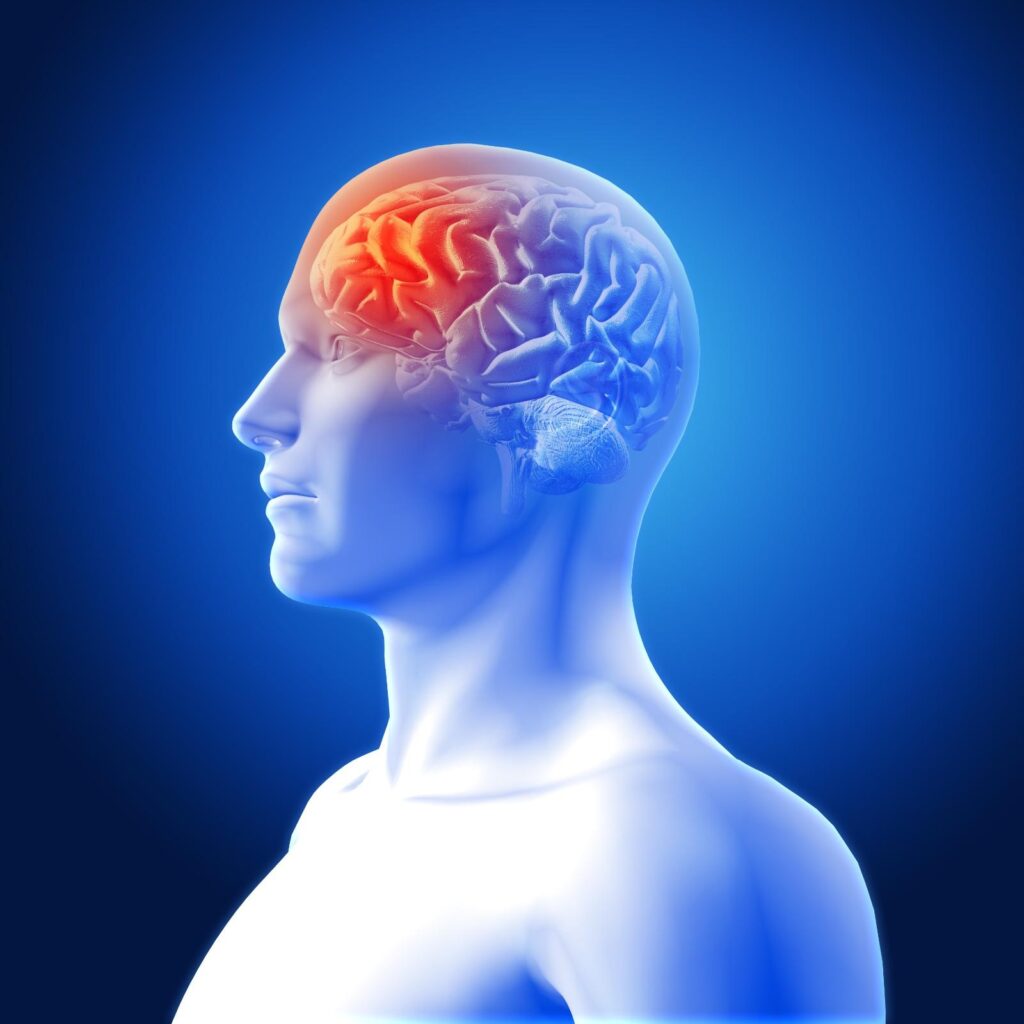
What are Pituitary Disorders?
Pituitary disorders are conditions that affect the pituitary gland and disrupt the normal production of hormones. The pituitary gland is a small, pea-sized gland located at the base of the brain behind the nose.
This gland controls several important hormones that regulate:
- Growth and development
- Thyroid function
- Reproductive health
- Stress response
- Water balance
- Metabolism
- Bone health
Any abnormality in the pituitary gland can result in either excess hormone production or hormone deficiency.
What are Pituitary Tumors?
Pituitary tumors are abnormal growths that develop within the pituitary gland. Most pituitary tumors are benign (non-cancerous) and are known as pituitary adenomas.
These tumors generally grow slowly and rarely spread to other parts of the body. However, they can affect hormone production and sometimes put pressure on nearby structures, including the optic nerves.
Pituitary tumors may:
- Produce too much hormone.
- Reduce hormone production.
- Cause pressure symptoms due to their size.
Types of Pituitary Disorders
- Functioning Pituitary Tumors
These tumors produce excess hormones and can cause various endocrine disorders.
- Prolactinoma
- Growth hormone-producing tumors
- ACTH-producing tumors
- Non-Functioning Pituitary Tumors
These tumors do not produce hormones but can grow large enough to cause pressure symptoms and hormonal deficiencies.
- Hypopituitarism
This condition occurs when the pituitary gland produces insufficient amounts of one or more hormones.

Symptoms of Pituitary Problems
The symptoms depend on the type of pituitary disorder and the hormones involved.
Common symptoms include:
- Persistent headaches
- Vision problems
- Unexplained weight gain or weight loss
- Fatigue and weakness
- Menstrual irregularities
- Infertility
- Reduced libido
- Erectile dysfunction
- Excessive thirst and urination
Because these symptoms may develop gradually, many patients remain undiagnosed for years.
Causes of Pituitary Disorders
Pituitary problems can occur due to:
- Pituitary adenomas
- Genetic disorders
- Head injury
- Brain surgery
- Radiation therapy
- Infections
- Autoimmune conditions
- Certain medications
- Unknown causes
Conditions Associated with Pituitary Disorders
Pituitary abnormalities can lead to several endocrine conditions, including:
- Acromegaly
- Prolactinoma
- Cushing's disease
- Growth hormone deficiency
- Hypopituitarism
- Delayed puberty
- Infertility
- Diabetes insipidus
- Thyroid hormone deficiency
Diagnosis of Pituitary Disorders
As an experienced Pituitary Specialist in Whitefield Bangalore, Dr. Anusha performs a detailed evaluation that may include:
Detailed Medical History
Assessment of symptoms and hormonal changes.
Physical Examination
Evaluation of signs suggestive of hormonal disorders.
Hormonal Blood Tests
To assess pituitary and target gland function.
MRI Scan of the Brain
MRI is the gold standard for diagnosing pituitary tumors and other abnormalities.
Vision Assessment
Large pituitary tumors may affect the optic nerves and require eye examinations.
Pituitary Disorders Treatment in Whitefield Bangalore
Treatment depends on the type of pituitary disorder, tumor size, symptoms, and hormone abnormalities.
Medications
Certain pituitary tumors can be effectively treated with medications that regulate hormone levels.
Hormone Replacement Therapy
Patients with hormone deficiencies may require replacement therapy.
Surgery
Some pituitary tumors may need surgical removal, especially if they are causing pressure symptoms or significant hormonal disturbances.
Radiation Therapy
Radiation may be recommended when surgery and medications are not sufficient.
Radiation may be recommended when surgery and medications are not sufficient.
Regular Monitoring
Complications of Untreated Pituitary Disorders
Without proper treatment, pituitary disorders can lead to:
- Permanent vision loss
- Infertility
- Osteoporosis
- Heart disease
- Diabetes
- Growth disorders
- Severe hormonal deficiencies
- Reduced quality of life
Early diagnosis and treatment can prevent many of these complications.
When Should You Consult a Pituitary Specialist?
You should seek medical advice if you experience:
- Persistent headaches with hormonal symptoms
- Vision changes
- Unexplained weight changes
- Menstrual irregularities
- Infertility
- Breast discharge
- Delayed growth or puberty
- Unexplained fatigue and weakness
Early medical evaluation can help identify pituitary disorders before complications develop.
Frequently Asked Questions
The pituitary gland is a small gland at the base of the brain that controls many important hormones in the body.
Most pituitary tumors are benign and do not spread to other parts of the body.
Yes. Hormonal imbalances caused by pituitary disorders can affect fertility in both men and women.
Pituitary tumors are usually diagnosed with hormonal blood tests and an MRI scan.
Yes. Most pituitary disorders can be effectively managed with medications, hormone therapy, surgery, or regular monitoring.