
Prolactin disorders
Hyperprolactinemia Specialist in Bangalore | Advanced Diagnosis and Treatment
Prolactin is an important hormone produced by the pituitary gland. It primarily plays a role in breast development and milk production after childbirth. However, abnormal prolactin levels can affect reproductive health, fertility, menstrual cycles, and sexual function in both men and women.
Dr. Anusha Handral is a highly experienced Endocrinologist in Whitefield Bangalore and Hyperprolactinemia Specialist in Bangalore, providing expert diagnosis and treatment for prolactin disorders, pituitary tumors, and hormonal imbalances. With over 15 years of experience in endocrinology, she offers personalized and evidence-based care to help patients restore hormonal balance and improve their quality of life.
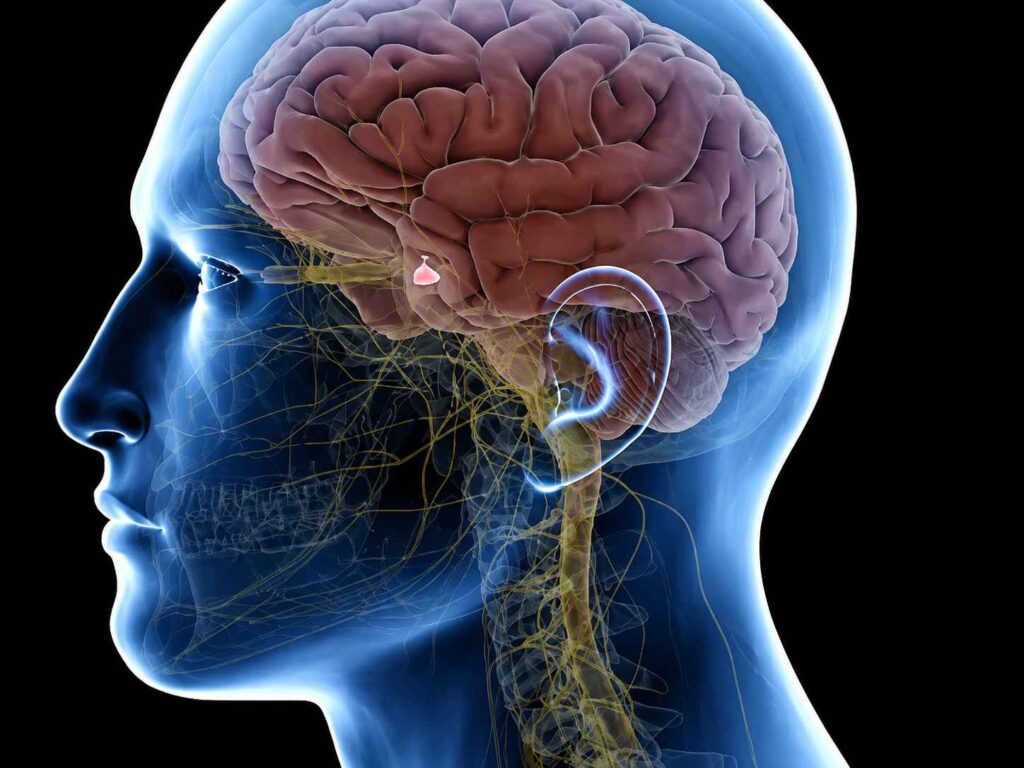
What are Prolactin Disorders?
Prolactin disorders occur when the body produces too much or too little prolactin hormone. The most common condition is hyperprolactinemia, which means elevated prolactin levels in the blood.
Abnormal prolactin levels can interfere with reproductive hormones and lead to various health problems, including infertility, irregular menstrual cycles, and sexual dysfunction.
What is Hyperprolactinemia?
Hyperprolactinemia is a condition in which the pituitary gland produces excessive amounts of prolactin.
High prolactin levels can suppress the production of reproductive hormones such as estrogen and testosterone, leading to several symptoms in both men and women.
Causes of Prolactin Disorders
Several conditions can cause elevated prolactin levels, including:
- Prolactin-Secreting Pituitary Tumors (Prolactinomas)
These are benign pituitary tumors that produce excess prolactin.
- Pituitary Disorders
Other pituitary gland abnormalities can affect prolactin production.
- Thyroid Disorders
An underactive thyroid gland can increase prolactin levels.
- Certain Medications
Some medications used for depression, anxiety, and high blood pressure may elevate prolactin levels.
- Pregnancy and Breastfeeding
Prolactin levels naturally rise during pregnancy and lactation.
- Chronic Stress
Stress can temporarily increase prolactin production.
Symptoms of Prolactin Disorders
Several conditions can cause elevated prolactin levels, including:
- Symptoms in Women
- Irregular menstrual periods
- Absence of periods
- Infertility
- Breast milk discharge unrelated to pregnancy
- Reduced sexual desire
- Vaginal dryness
- Difficulty conceiving
- Symptoms in Men
- Reduced libido
- Erectile dysfunction
- Infertility
- Decreased facial hair growth
- Breast enlargement
- Fatigue and weakness
- Symptoms Due to Large Pituitary Tumors
- Headaches
- Blurred vision
- Loss of peripheral vision
- Hormonal deficiencies

Complications of Untreated Prolactin Disorders
Without proper treatment, elevated prolactin levels can lead to:
- Infertility
- Osteoporosis
- Menstrual disorders
- Sexual dysfunction
- Emotional distress
- Reduced testosterone levels
- Pituitary tumor enlargement
- Vision problems
Early diagnosis and treatment can prevent these complications and restore hormonal balance.
How are Prolactin Disorders Diagnosed?
As an experienced Hyperprolactinemia Specialist in Whitefield Bangalore, Dr. Anusha performs a comprehensive evaluation that may include:
Medical History and Physical Examination
A detailed assessment of symptoms and hormonal changes.
Blood Tests
Measurement of prolactin and other hormone levels.
Thyroid Function Tests
To identify thyroid-related causes.
MRI Scan of the Pituitary Gland
MRI helps detect prolactin-secreting tumors and other pituitary abnormalities.
Additional Hormonal Evaluation
Assessment of reproductive and pituitary hormones when required.
Prolactin Disorders Treatment in Whitefield Bangalore
Treatment depends on the cause of the prolactin disorder and the severity of symptoms.
Medications
Most prolactin disorders can be effectively treated with medications that lower prolactin levels and shrink pituitary tumors.
Treatment of Underlying Conditions
Managing thyroid disorders or changing certain medications may help normalize prolactin levels.
Hormonal Management
Treatment may be required to restore reproductive hormone balance.
Surgery
Rarely, surgery may be recommended for large pituitary tumors that do not respond to medication.
Regular Monitoring
Periodic blood tests and imaging studies are important to monitor treatment progress.
Can Prolactin Disorders Affect Fertility?
Yes. Elevated prolactin levels can interfere with ovulation in women and reduce testosterone levels in men, leading to infertility.
Fortunately, appropriate treatment often restores fertility and improves reproductive health.
When Should You Consult a Prolactin Specialist?
Consult an endocrinologist if you experience:
- Irregular or absent periods
- Infertility
- Unexplained breast discharge
- Reduced sexual desire
- Erectile dysfunction
- Persistent headaches
- Vision problems
- Symptoms of hormonal imbalance
Early diagnosis can help prevent long-term complications and improve reproductive health.
Frequently Asked Questions
Prolactin is a hormone produced by the pituitary gland that helps with breast development and milk production.
Hyperprolactinemia is a condition in which prolactin levels in the blood become abnormally high.
Yes. Elevated prolactin levels can interfere with ovulation and reproductive hormone production.
Most prolactinomas are benign and can be effectively treated with medications.
Yes. Most prolactin disorders respond well to medical treatment and regular monitoring.