
Parathyorid disorders
Parathyroid Specialist in Bangalore | Advanced Diagnosis and Treatment
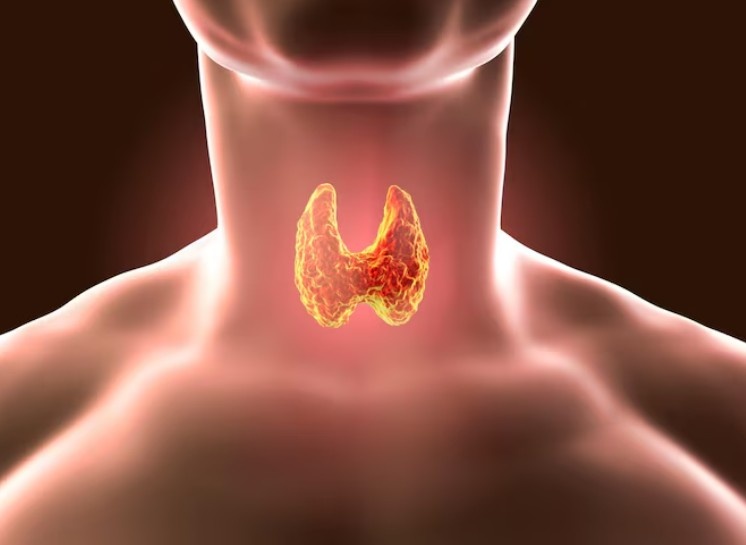
The parathyroid glands are four small glands located behind the thyroid gland in the neck. Although tiny, they play a crucial role in maintaining the body’s calcium and phosphorus balance. These glands produce Parathyroid Hormone (PTH), which regulates calcium levels in the blood, bones, kidneys, and intestines.
When the parathyroid glands produce too much or too little hormone, it can lead to serious health problems affecting the bones, kidneys, muscles, and nervous system.
Dr. Anusha Handral is a highly experienced Endocrinologist in Whitefield Bangalore and Parathyroid Specialist in Bangalore, offering comprehensive diagnosis and treatment for parathyroid disorders and calcium metabolism disorders.
With over 15 years of experience in endocrinology, she provides personalized treatment plans to restore hormonal balance and improve long-term health.
What are Parathyroid Disorders?
Parathyroid disorders occur when the parathyroid glands produce abnormal amounts of parathyroid hormone (PTH), resulting in disturbances in calcium and phosphorus levels.
The two major parathyroid disorders are:
- Hyperparathyroidism
- Hypoparathyroidism
Both conditions require proper diagnosis and treatment to prevent complications.
Hyperparathyroidism
What is Hyperparathyroidism?
Hyperparathyroidism occurs when one or more parathyroid glands produce excessive amounts of parathyroid hormone.
Excess PTH causes calcium to be released from the bones into the bloodstream, leading to high calcium levels.
Symptoms of Hyperparathyroidism
Many people may not experience symptoms initially. However, common symptoms include:
- Fatigue
- Weakness
- Bone pain
- Joint pain
- Kidney stones
- Frequent urination
- Excessive thirst
- Nausea
- Constipation
- Depression or mood changes
- Memory problems
- Osteoporosis
Causes of Hyperparathyroidism
- Benign parathyroid adenoma
- Enlargement of multiple glands
- Rare genetic disorders
- Chronic kidney disease
- Long-standing vitamin D deficiency
Hypoparathyroidism
What is Hypoparathyroidism?
Hypoparathyroidism occurs when the parathyroid glands do not produce enough parathyroid hormone.
Low PTH levels cause calcium levels in the blood to fall, resulting in various symptoms.
Symptoms of Hypoparathyroidism
- Tingling in the hands and feet
- Muscle cramps
- Muscle spasms
- Numbness around the mouth
- Fatigue
- Anxiety
- Seizures in severe cases
- Dry skin and brittle nails
Symptoms of Hypoparathyroidism
- Thyroid or neck surgery
- Autoimmune disorders
- Genetic conditions
- Magnesium deficiency
- Radiation therapy
Why is Calcium Important?
Calcium plays a vital role in:
- Bone strength
- Muscle function
- Nerve signaling
- Heart rhythm
- Blood clotting
Abnormal calcium levels due to parathyroid disorders can significantly affect overall health and quality of life.
Complications of Untreated Parathyroid Disorders
If left untreated, parathyroid disorders can lead to:
- Osteoporosis
- Frequent fractures
- Kidney stones
- Kidney damage
- Cardiac problems
- Muscle weakness
- Neurological symptoms
- Poor quality of life
Early diagnosis and treatment are essential to prevent these complications.

How are Parathyroid Disorders Diagnosed?
As an experienced Parathyroid Specialist in Whitefield Bangalore, Dr. Anusha performs a comprehensive evaluation that may include:
Blood Tests
To measure:
- Calcium levels
- Phosphorus levels
- Parathyroid hormone (PTH)
- Vitamin D levels
- Kidney function
Urine Tests
To evaluate calcium excretion.
Bone Density Scan (DEXA)
To assess bone health and osteoporosis.
Ultrasound or Imaging Studies
To identify enlarged parathyroid glands when necessary.
Hyperparathyroidism
What is Hyperparathyroidism?
Hyperparathyroidism occurs when one or more parathyroid glands produce excessive amounts of parathyroid hormone.
Excess PTH causes calcium to be released from the bones into the bloodstream, leading to high calcium levels.
Symptoms of Hyperparathyroidism
Many people may not experience symptoms initially. However, common symptoms include:
- Fatigue
- Weakness
- Bone pain
- Joint pain
- Kidney stones
- Frequent urination
- Excessive thirst
- Nausea
- Constipation
- Depression or mood changes
- Memory problems
- Osteoporosis
Causes of Hyperparathyroidism
- Benign parathyroid adenoma
- Enlargement of multiple glands
- Rare genetic disorders
- Chronic kidney disease
- Long-standing vitamin D deficiency
Hypoparathyroidism
What is Hypoparathyroidism?
Hypoparathyroidism occurs when the parathyroid glands do not produce enough parathyroid hormone.
Low PTH levels cause calcium levels in the blood to fall, resulting in various symptoms.
Symptoms of Hypoparathyroidism
- Tingling in the hands and feet
- Muscle cramps
- Muscle spasms
- Numbness around the mouth
- Fatigue
- Anxiety
- Seizures in severe cases
- Dry skin and brittle nails
Symptoms of Hypoparathyroidism
- Thyroid or neck surgery
- Autoimmune disorders
- Genetic conditions
- Magnesium deficiency
- Radiation therapy
Parathyroid Disorders Treatment in Whitefield Bangalore
Treatment depends on the underlying condition and severity of symptoms.
Treatment for Hyperparathyroidism
- Regular monitoring
- Medications
- Vitamin D management
- Surgical removal of abnormal glands when necessary
Treatment for Hypoparathyroidism
- Calcium supplementation
- Vitamin D therapy
- Magnesium correction
- Long-term monitoring of calcium levels
Lifestyle Recommendations
Patients with parathyroid disorders may benefit from:
- Adequate hydration
- Calcium-rich diet (when appropriate)
- Regular exercise
- Maintaining healthy vitamin D levels
- Periodic health check-ups
When Should You Consult a Parathyroid Specialist?
You should seek medical advice if you experience:
- Recurrent kidney stones
- Bone pain or fractures
- Muscle cramps
- Persistent fatigue
- High calcium levels
- Tingling or numbness
- Osteoporosis at a young age
Early diagnosis can help prevent long-term complications.
Frequently Asked Questions
The parathyroid glands regulate calcium and phosphorus levels in the body through the production of parathyroid hormone.
It is a condition in which the parathyroid glands produce too much parathyroid hormone, causing high calcium levels.
Yes. Excess parathyroid hormone can weaken bones and increase the risk of osteoporosis and fractures.
Muscle cramps, tingling, numbness, and fatigue are common symptoms of low calcium.
Yes. Most parathyroid disorders can be effectively managed with medications, supplements, or surgery when necessary.